
How brand strategy became the key to organizational clarity
MILL RIVER PARK COLLABORATIVE
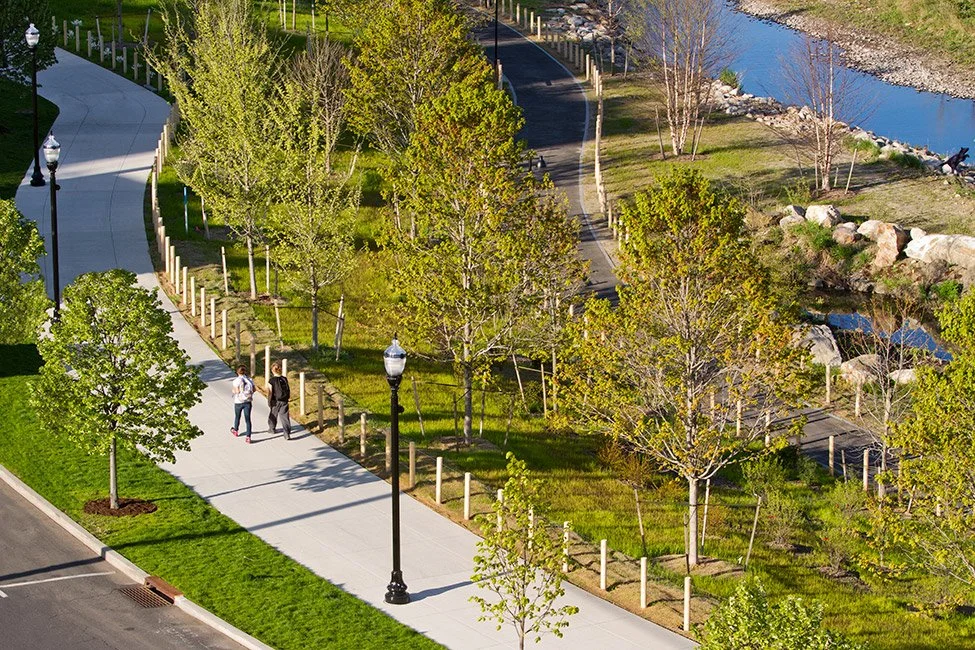
Mill River Park Collaborative came to us with a clear ask: help us hire the right person for communications. What we found was something deeper. A 23-acre urban park connecting Stamford residents to nature since 2013, Mill River had grown significantly but their brand, processes, and organizational structure hadn't kept pace. Before they could hire the right person, they needed the right foundation.
A growing organization, a brand they outgrew
THE CHALLENGE
Mill River Park Collaborative had an ambitious team, a beloved community space, and a critical hire on the horizon. But as we started asking questions, a more complex picture emerged. Knowledge lived in people's heads, not systems. Brand materials looked and sounded different depending on who made them. And the communications role they were about to hire for was being asked to carry far more than any one person could — because the systems that person would need to succeed simply didn't exist yet.
The brand findings surprised them most. Everyone sensed something was off. Nobody had named it as a brand problem yet.
THE QUESTION WE ANSWERED
How do you make a critical hire when the brand, processes, and systems that person needs to succeed aren't working together yet?
Starting with the organization, not the job description
OUR APPROACH
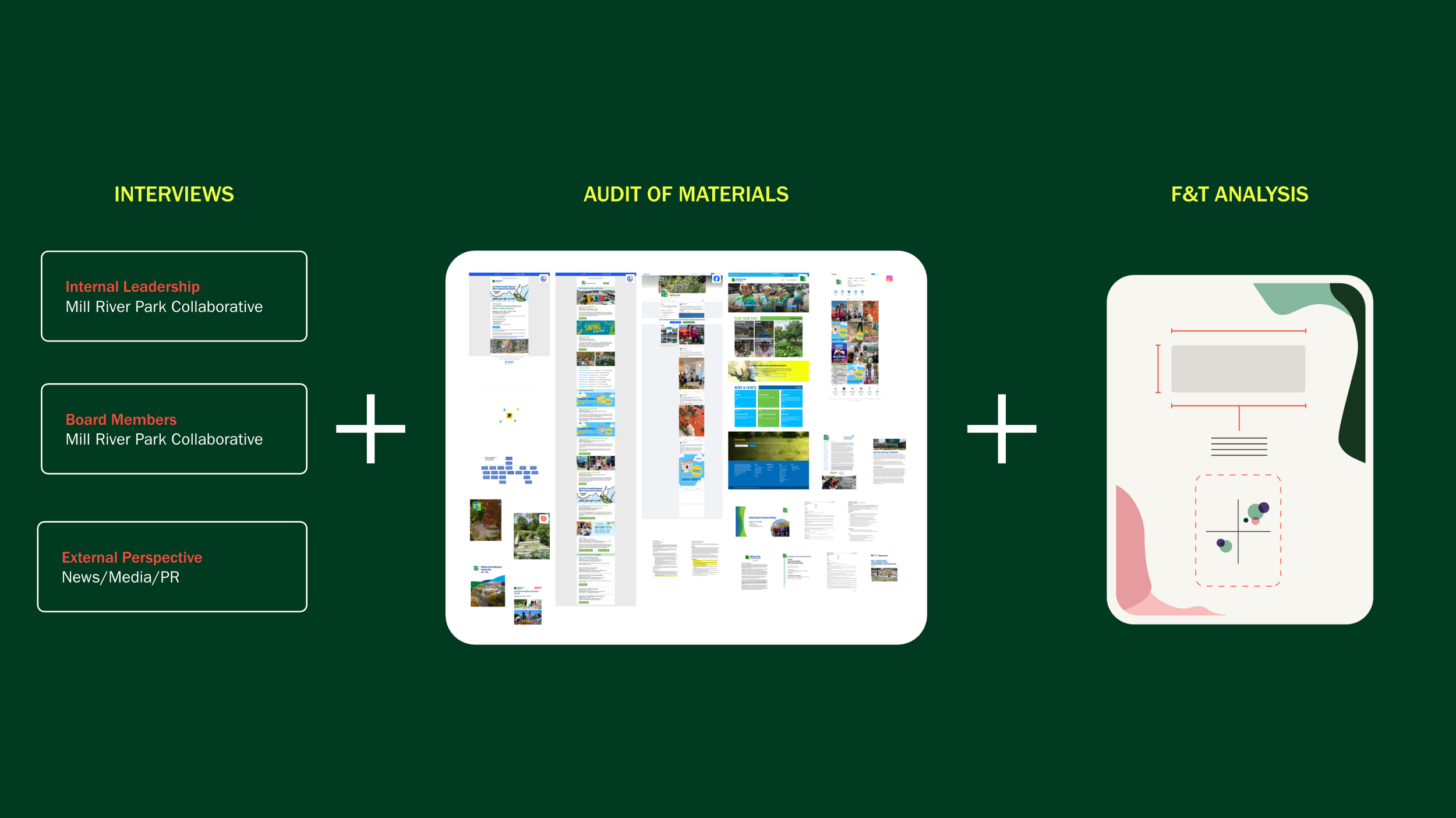
We began with our Question Catalyst process, conducting stakeholder interviews across leadership and board, gathering an external community perspective, and auditing existing materials — annual reports, strategic plans, brand assets, and communications vehicles. We looked at Mill River from the outside in and the inside out.
Three areas kept surfacing: the hire, the processes, and the brand. The hire and processes they expected. The brand is where the key to everything else was hiding.
Addressing the hire, the brand, and the processes as one connected problem
THE STRATEGIC SOLUTION
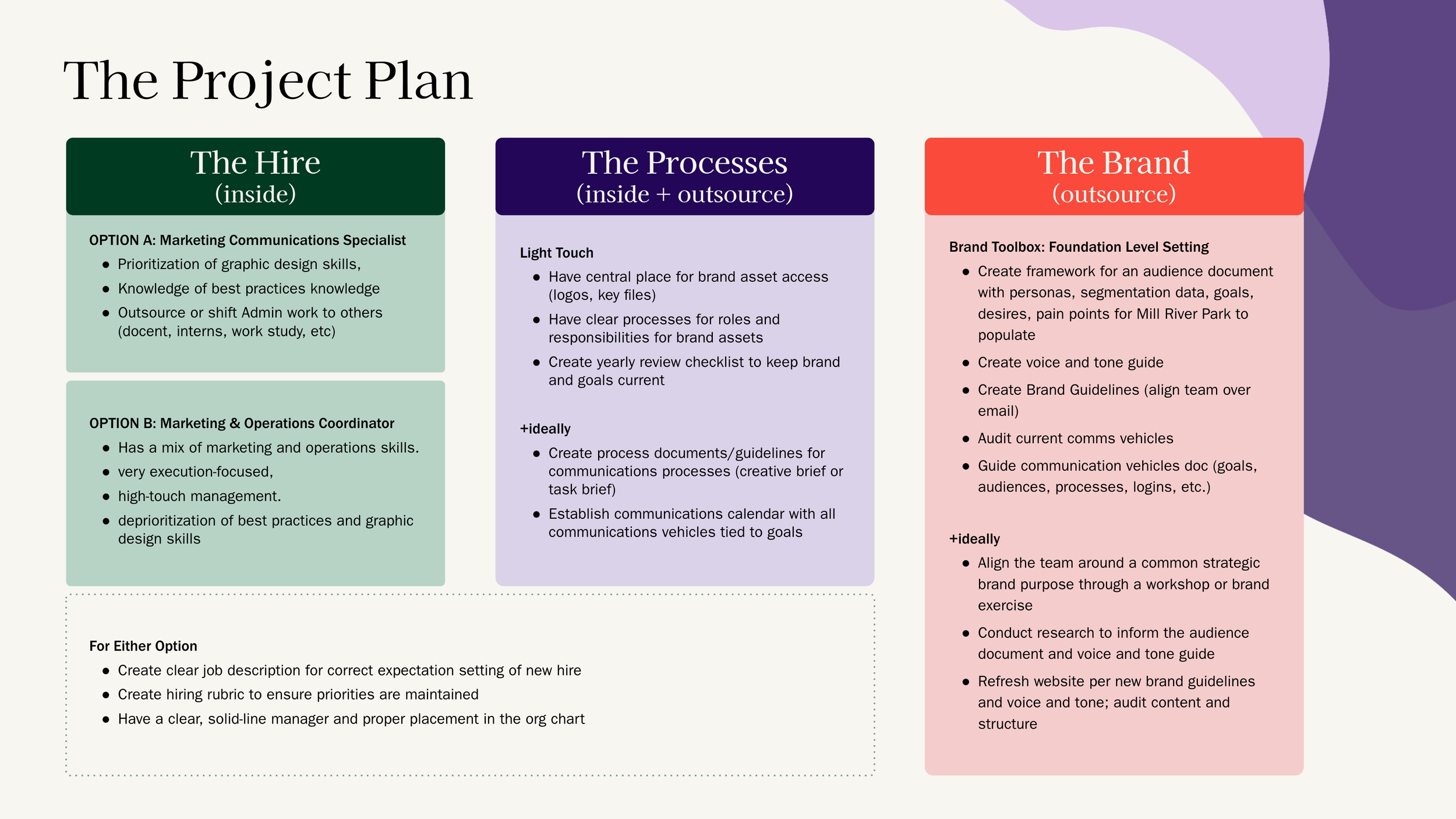
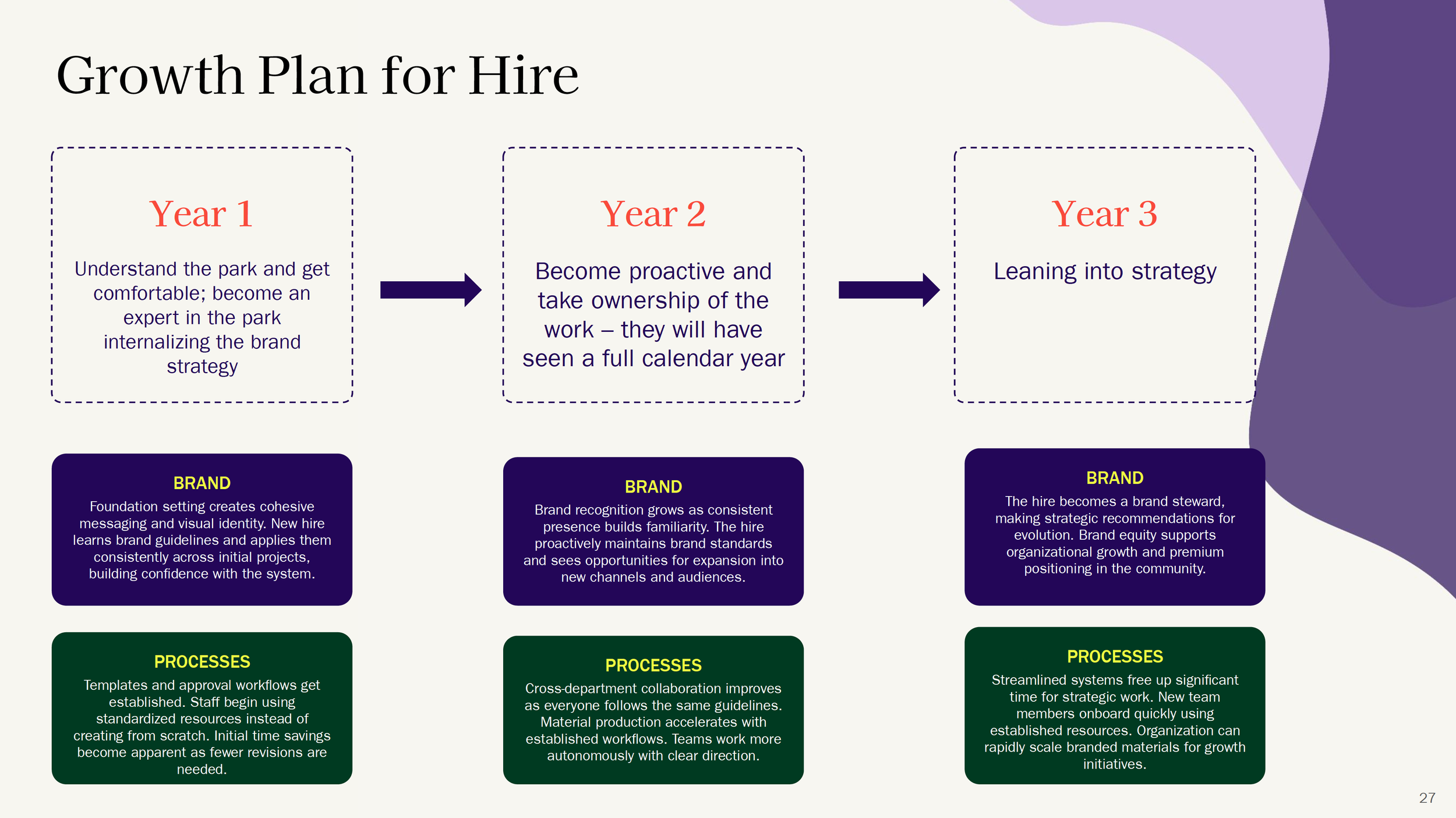
We developed a plan that treated all three areas as one connected problem because solving any one of them in isolation wouldn't have worked.
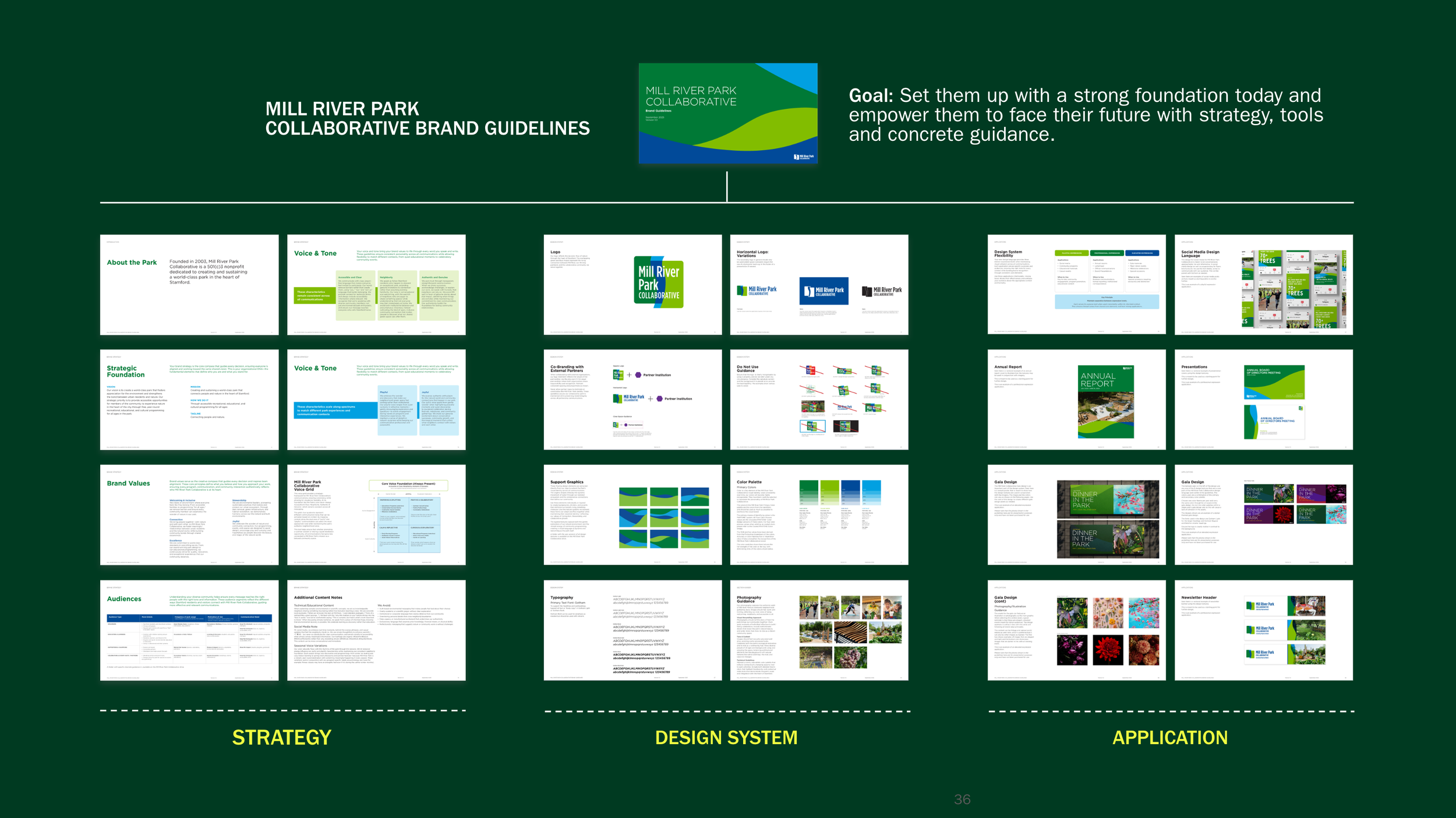
For the brand, we built a full strategic toolkit from the ground up:
Strategic foundation: Vision, mission, brand values, and tagline aligned across the organization
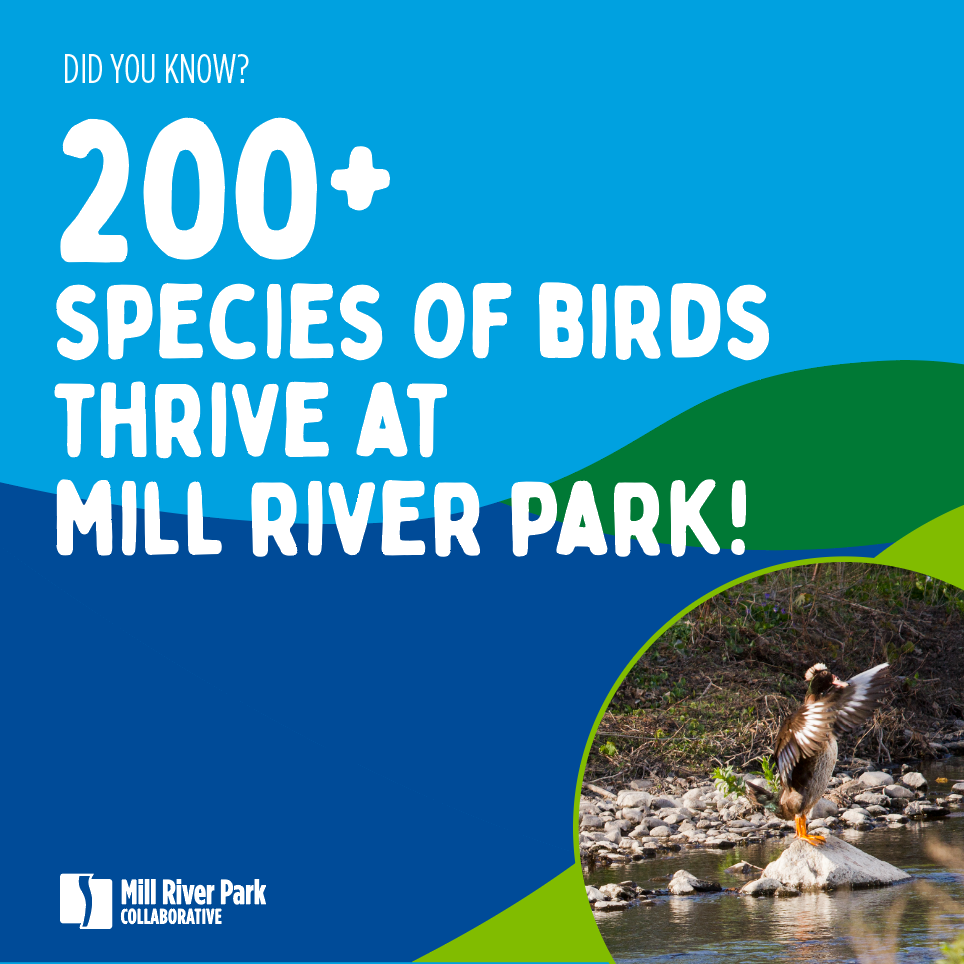
Voice and tone guidance: Consistent characteristics across all communications, with a voice grid that scales across contexts from neighborhood social posts to gala invitations
Audience framework: Four distinct segments mapped to communication needs, frequency, and motivation
Channel guidance: Connecting each audience to the right medium, goal, and tone
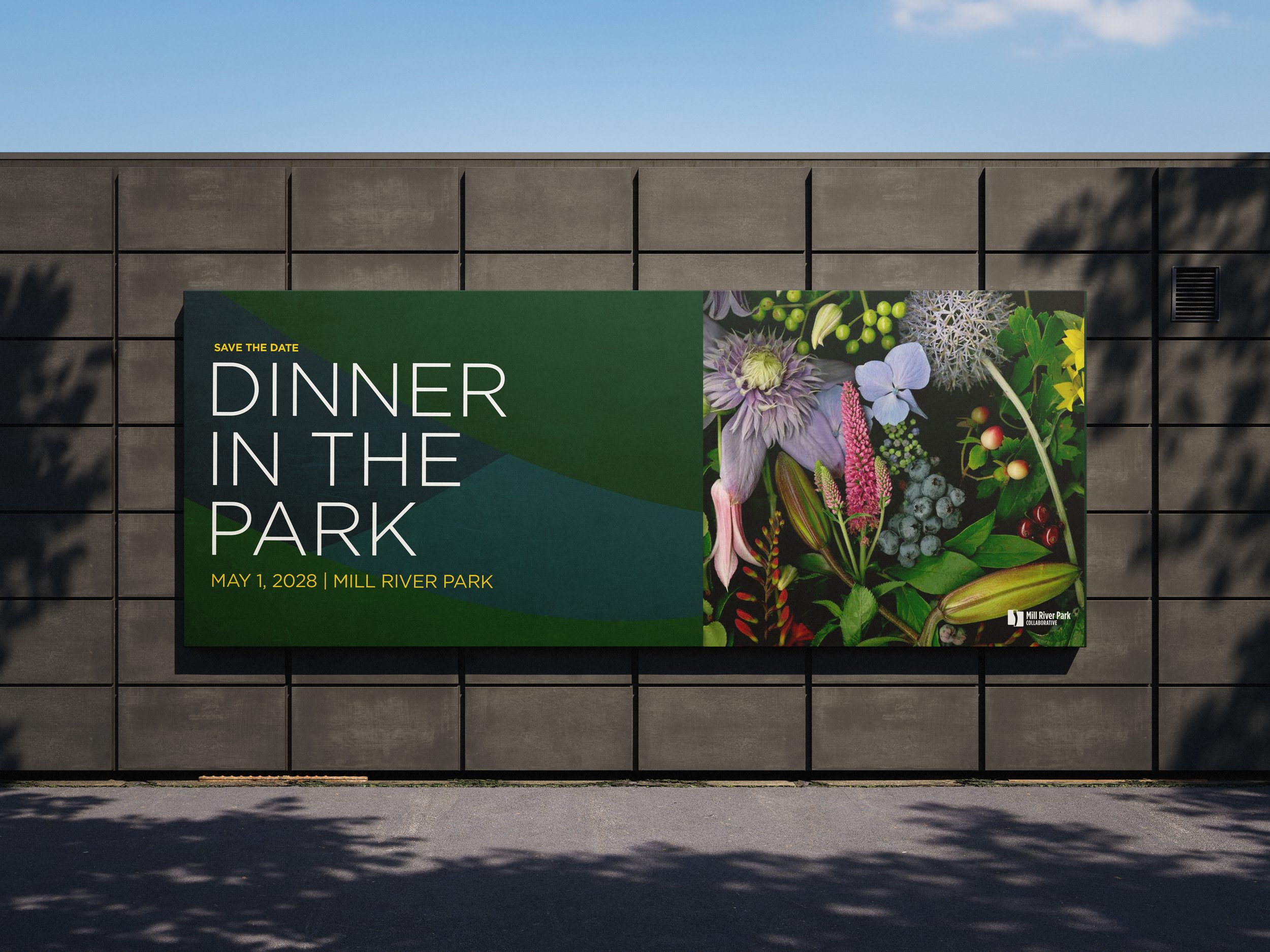
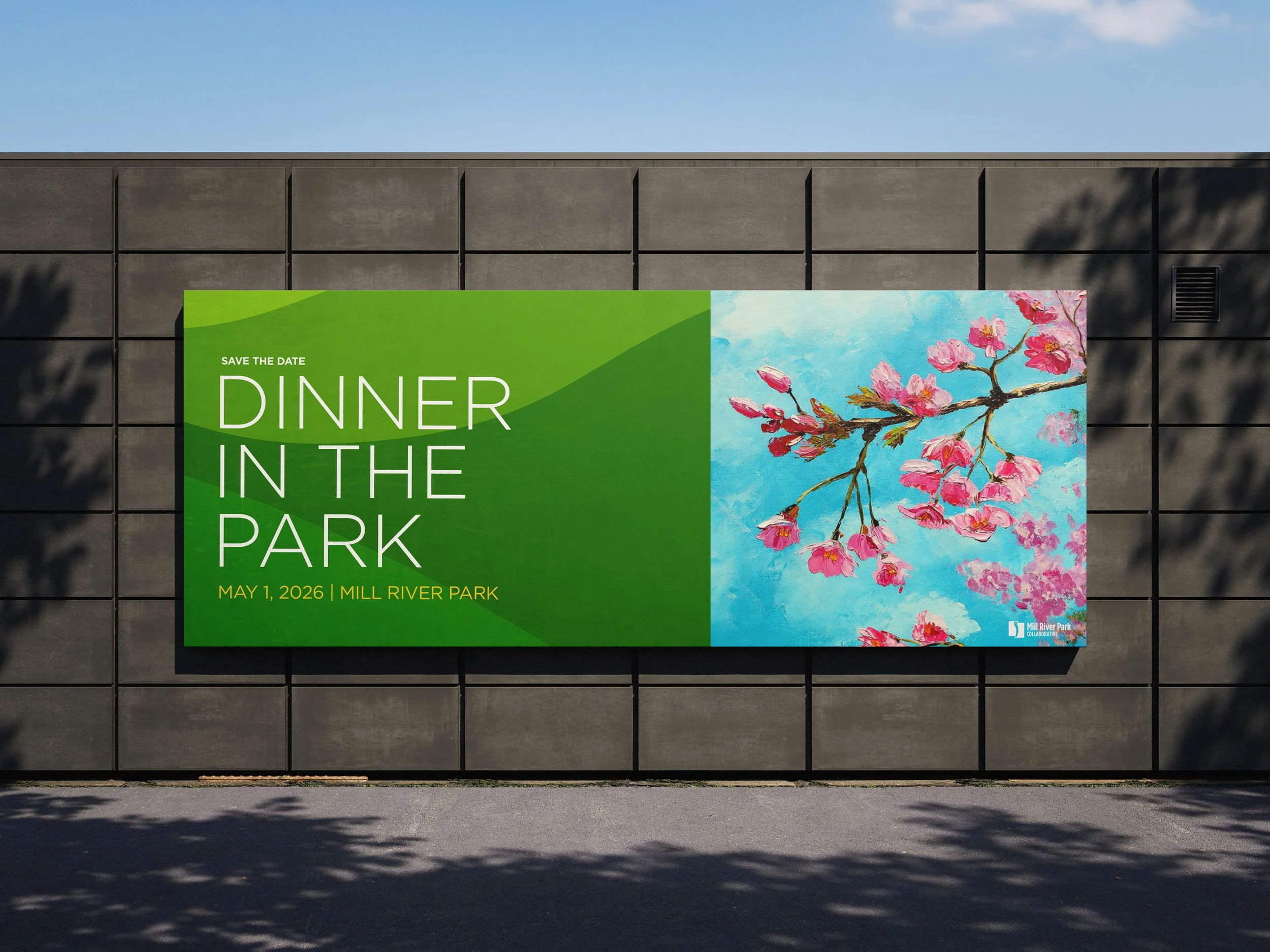
Brand guidelines: A living strategic document (not just logo specs) with a three-pronged design system: playful, professional, and elevated expressions of the same foundation
For the processes, we built the scaffolding for whoever stepped into the role: a centralized brand asset system, a compliance checklist, creative brief templates, and a communications calendar framework.
For the hire itself, we gave them two candidate profiles, a clear job description, and an interview rubric — so they could make the decision confidently and set expectations from day one.

Faster decisions, less confusion, a team that can breathe
THE IMPACT
The results showed up quickly. The brand toolkit became the team's daily reference. Gala materials were designed faster, on brand, without the usual rounds of back-and-forth. Staff stopped second-guessing visual decisions. Their social presence became, in their words, more "fun and humanized", which is exactly what the park actually is.
The deeper shift was organizational. When brand, processes, and team clarity work together, the whole organization moves differently. Less overwhelm. More autonomy. People doing their jobs without waiting for approval on every decision.
That's what alignment will help you achieve.